
Each of these richly illustrated programs presents a focused look at important artists and their work, at famous buildings and locations, or at significant and innovative types of art and architecture.
The renowned Portinari Altarpiece

Hugo van der Goes painted the Portinari Altarpiece in the mid-1470s for Maria and Tomasso Portinari, Italians living in Flanders. With rich colors and abundant detail, the triptych shows many parts of the Christmas story. The presentation will focus on this complex altarpiece in depth, allowing for a full exploration of its many elements.
The Sistine Chapel

One of the best-known spaces in the Christian tradition, the Sistine Chapel is recognized for the famous paintings done by Michelangelo. Yet the ceiling and the Last Judgment projects were only two parts of a more complex design, done by multiple artists over a few generations. This presentation looks at the entire plan for the Sistine Chapel’s floor-to-ceiling decoration including Michelangelo’s famous work.
THE BAYEUX TAPESTRY: A STORY IN EMBROIDERY
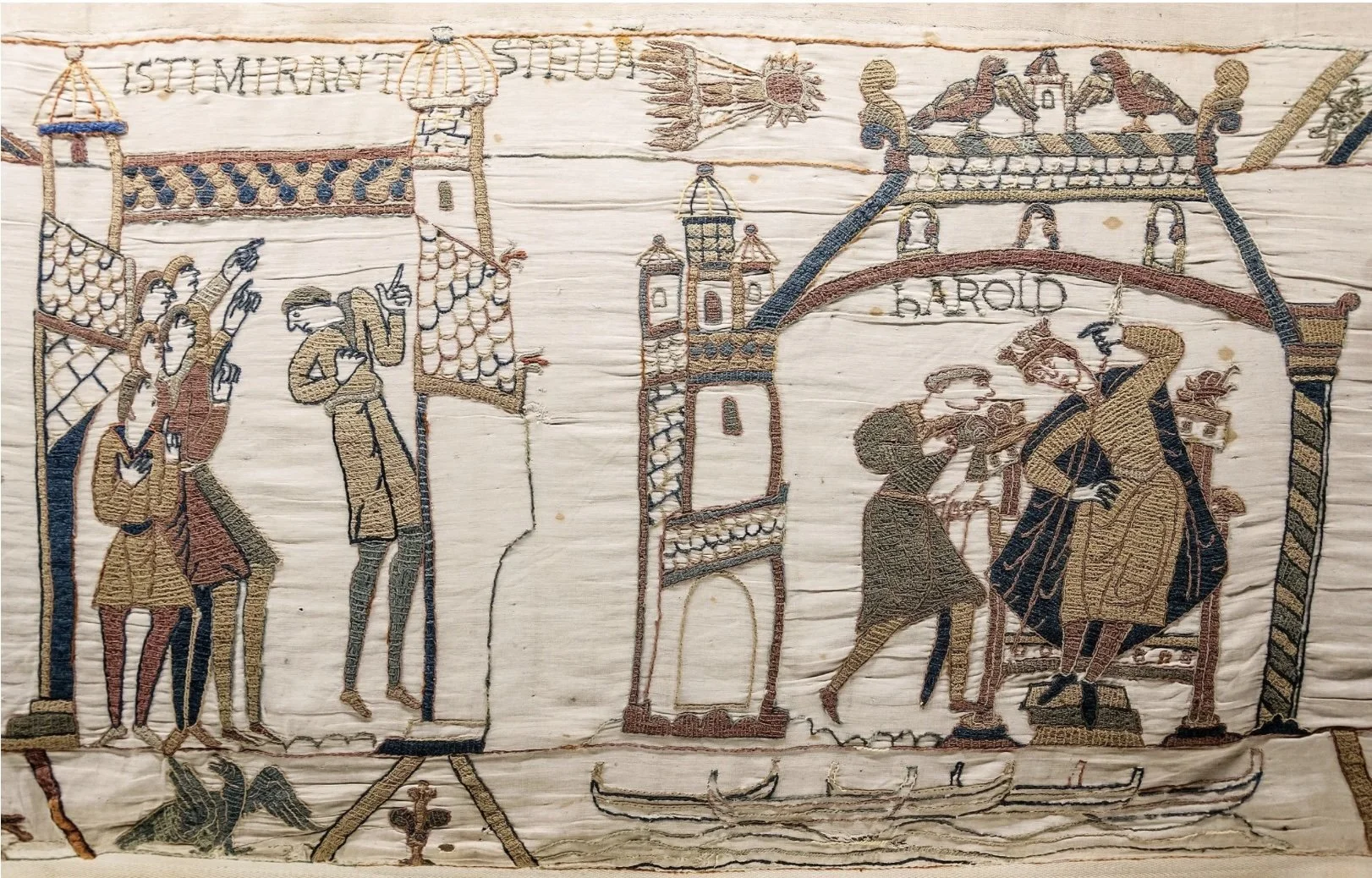
Textiles were among the most highly-valued art forms in medieval Europe. England was an important center for making these textiles, and it is likely that teams of English women created the Bayeux Tapestry, which ranks among the most famous medieval art works. Measuring over 220 feet long, this massive textile depicts the Norman Conquest of England in 1066. We’ll learn about the embroidery’s roots in similar medieval objects, and we will investigate the questions and controversies related to its origins.
Rembrandt’s Prodigal Son
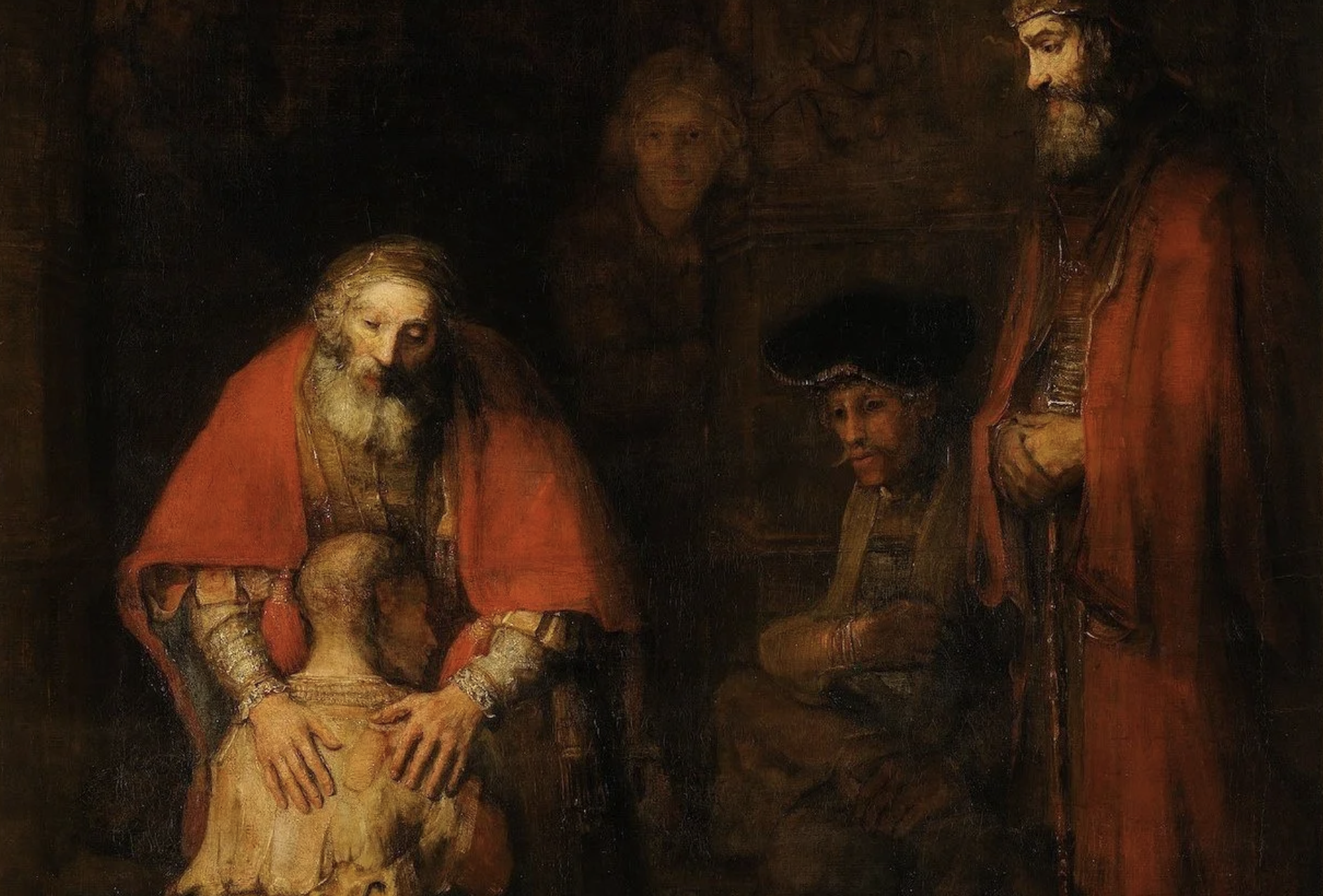
The story of the prodigal son has been a popular choice for artists and patrons. Some chose to depict the prodigal’s bawdy behavior and wanton spending, while others emphasized the poverty and hardship that resulted from his dissolute life. Rembrandt’s famous painting shows the prodigal’s return and his father’s welcome in a deeply moving portrayal of love and forgiveness. In this presentation, we will focus on the painting in the context of Rembrandt’s life and career, learning how it stands apart from more typical treatments of the story.
Raphael’s Sistine Madonna
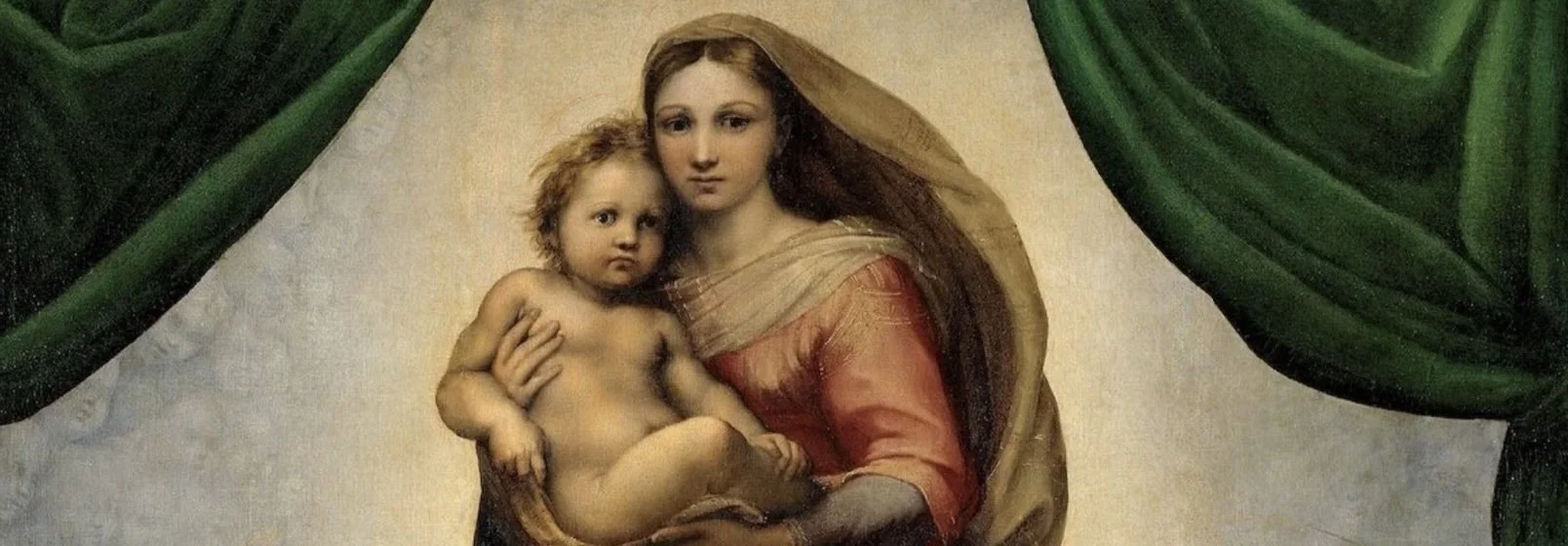
Many people are familiar with the cute angels in Raphael’s 1513 painting, even though most wouldn’t recognize the rest of the image, much less know its fascinating story. This presentation focuses on the meaning and purpose of Raphael’s famous Sistine Madonna.
Leondaro’s Mona Lisa
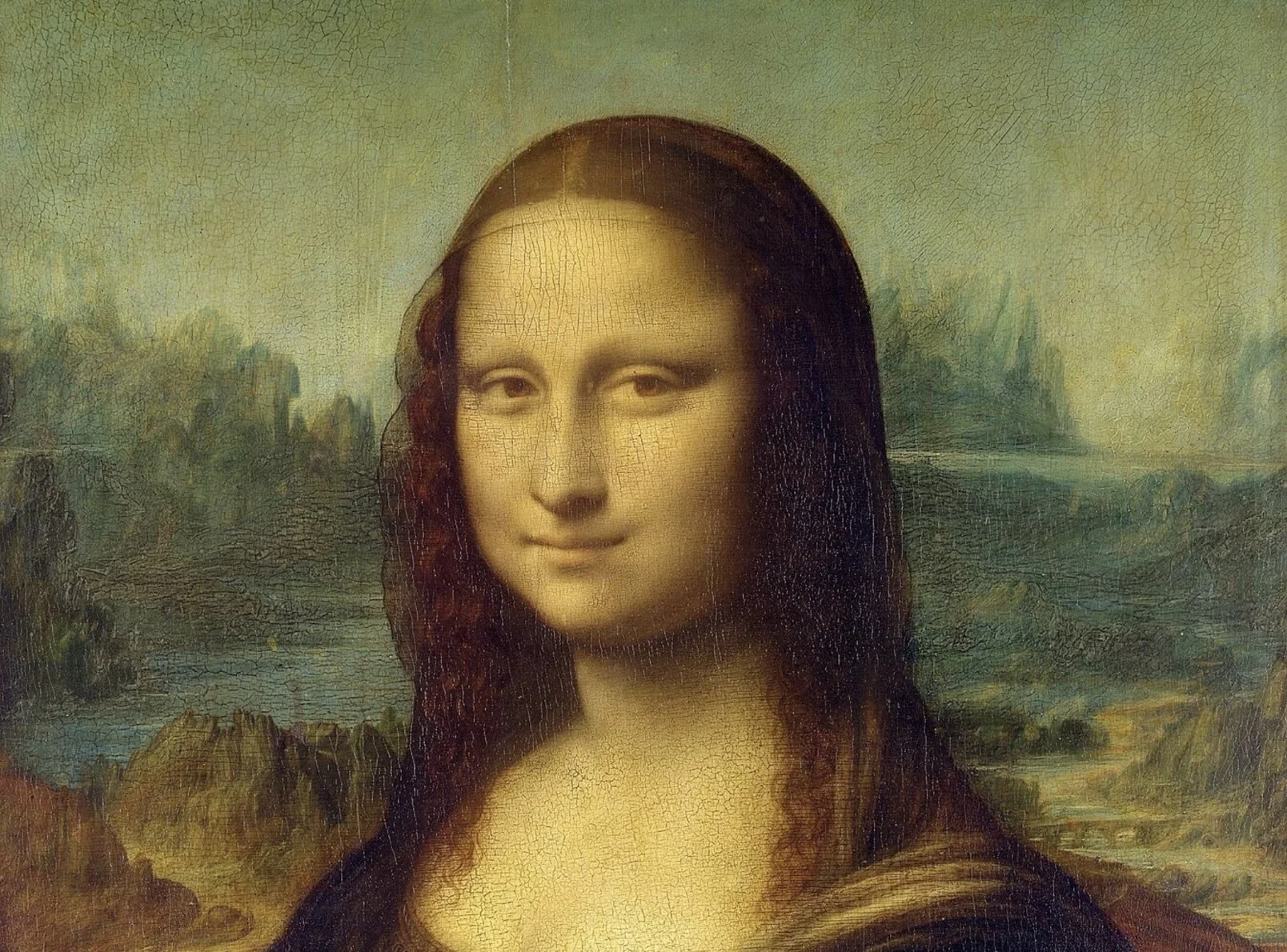
The Mona Lisa has been described as the world's most famous painting. The numbers don't lie: visits to see this small image approach ten million annually. In this presentation, we will study the painting in depth and consider its place in Leonardo's career. We'll also view it in the context of Italian Renaissance portraiture, and we'll explore its continuing impact in art and popular culture.
a van eyck masterpiece: THe Ghent Altarpiece

The recent restoration of the Ghent Altarpiece has brought this famous work into the news, introducing it to many viewers for the first time. Created by the Van Eyck brothers in the early 15th century, the large and complex altar includes dozens of interesting figures and many beautiful landscapes, all conveyed in stunning colors and details. Its amazing precision and fascinating history will come into focus in this presentation.
Intensity and Complexity: the isenheim altarpiece
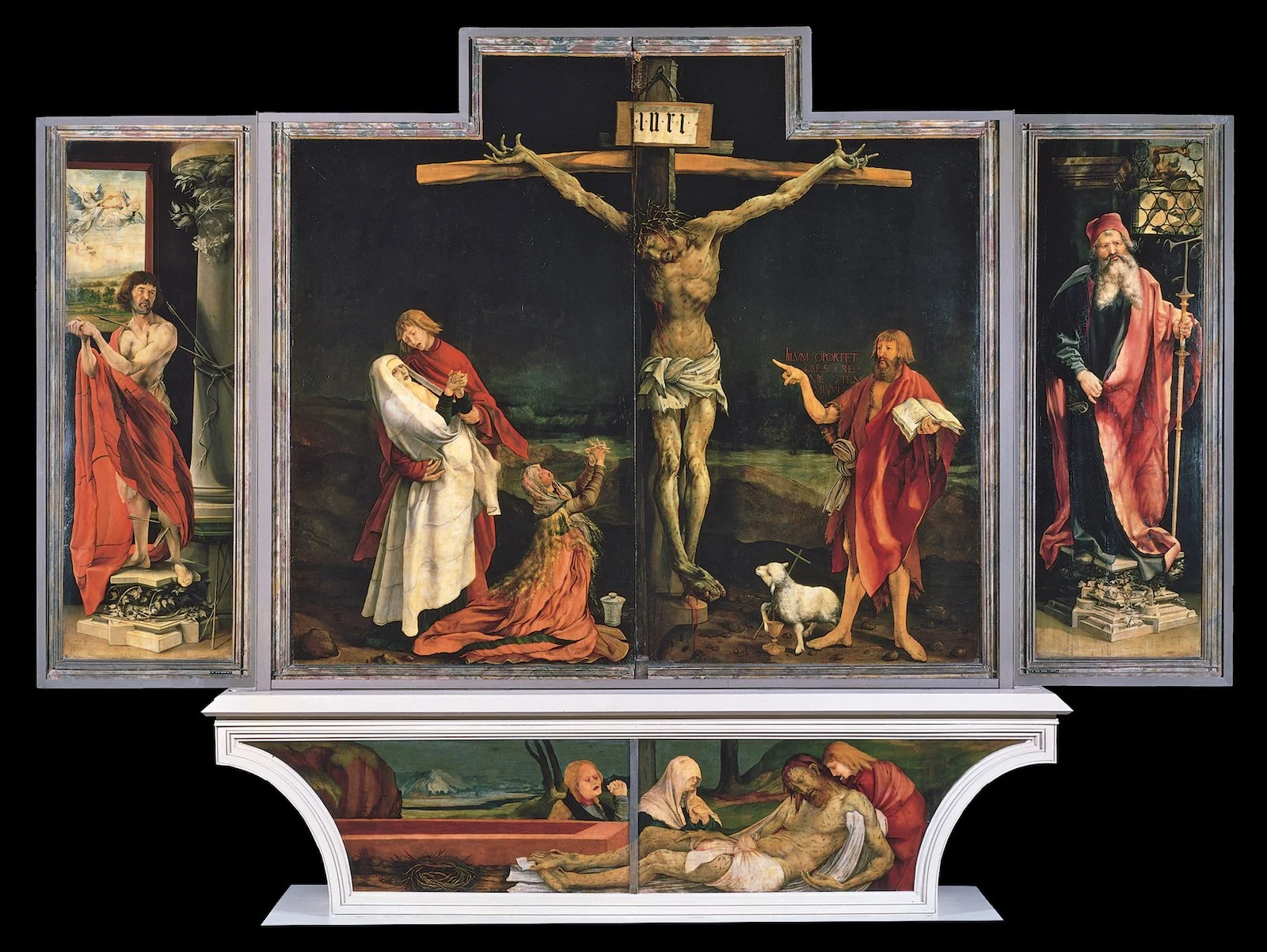
Painted in the early 16th century, the Isenheim Altar is a complex altarpiece. Its hinged panels opened to reveal layers of paintings and sculptures that showed scenes from the life of Jesus and the life of St. Anthony. This presentation will focus on the altar’s original configuration, setting, and viewers, helping us to understand its deeply expressive details and visual power.
Cathedral of Notre-Dame in paris

The cathedral of Notre-Dame in Paris has been famous throughout the centuries as a religious center, a masterpiece of Gothic architecture, a place of coronations, and as a tourist attraction, among other things. Sadly, it was heavily damaged in a devastating fire in 2019. This presentation will focus on the building’s site, its importance as an example of the French Gothic style, the restoration plans of the 19th century, and current efforts to bring the building back to life after the 2019 fire.
St. Peter’s in rome
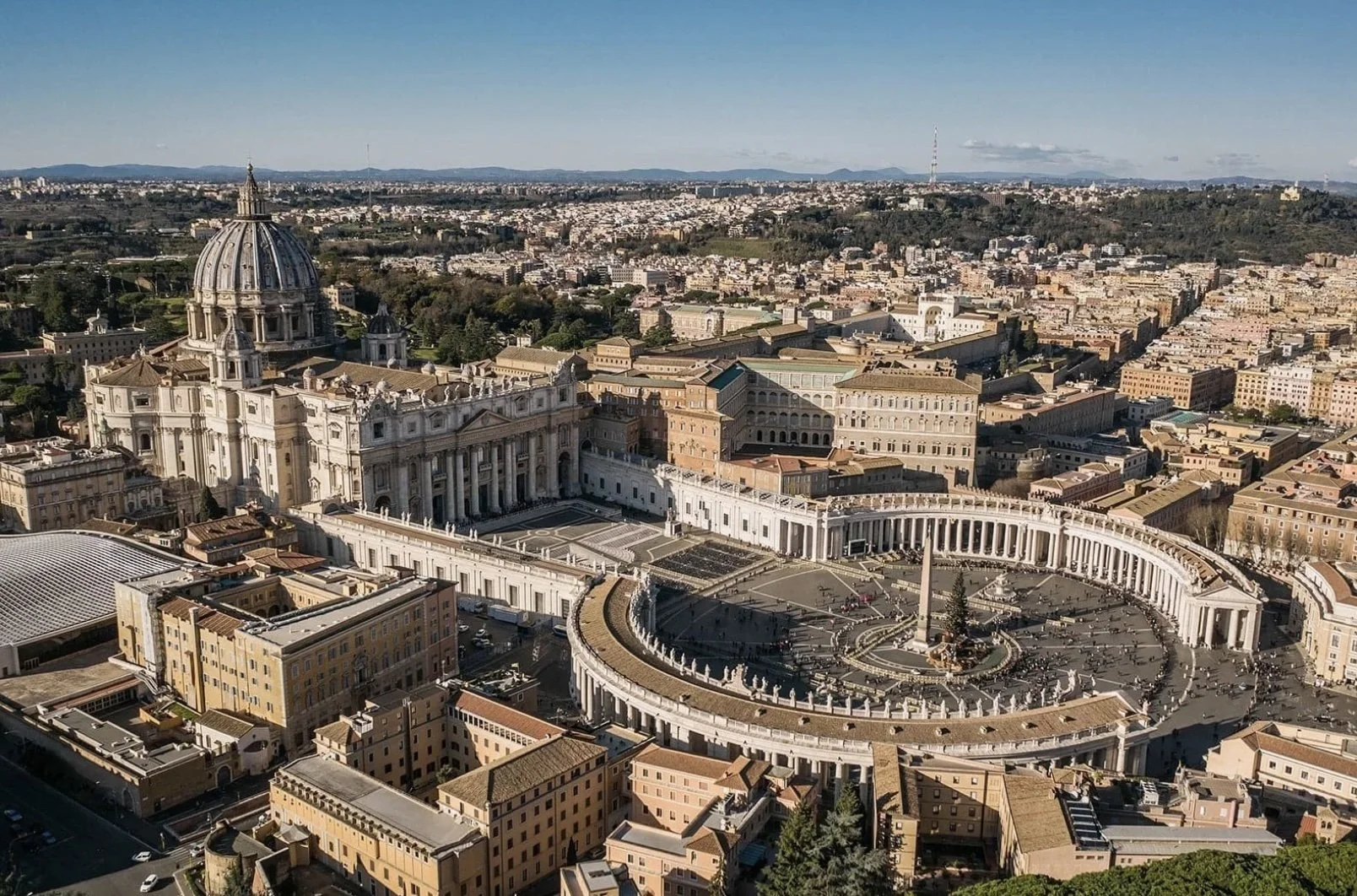
The famous basilica of St. Peter contains design elements by some of the greatest Italian architects of the Renaissance and the Baroque, including Michelangelo and Bernini, but the site’s history goes back a thousand years before they worked on the current church. In fact, the building we see today replaced “Old St. Peter’s,” an Early Christian basilica from the fourth century. This presentation will focus on both buildings as well as some of the famous art inside the present-day basilica of St. Peter.
Hagia Sophia in Istanbul

For over a thousand years, this amazing building has been at the intersection of politics, religion, and culture. Known for its remarkable engineering, it has been widely influential in both the Christian and Islamic traditions. This presentation looks closely at Hagia Sophia’s design, construction, materials, decoration, and acoustics—and especially at its changing use over time.
Leonardo’s Last supper

Widely known but only partly understood, Leonardo’s Last Supper rivals his Mona Lisa as one of the most famous paintings in western art. Leonardo altered the then-familiar formula for images of the Last Supper to create a new standard for depictions of this story. In this presentation, we will look closely at the painting’s setting, its history, and its many intriguing details.
THe Spectacular Mosaics of Ravenna
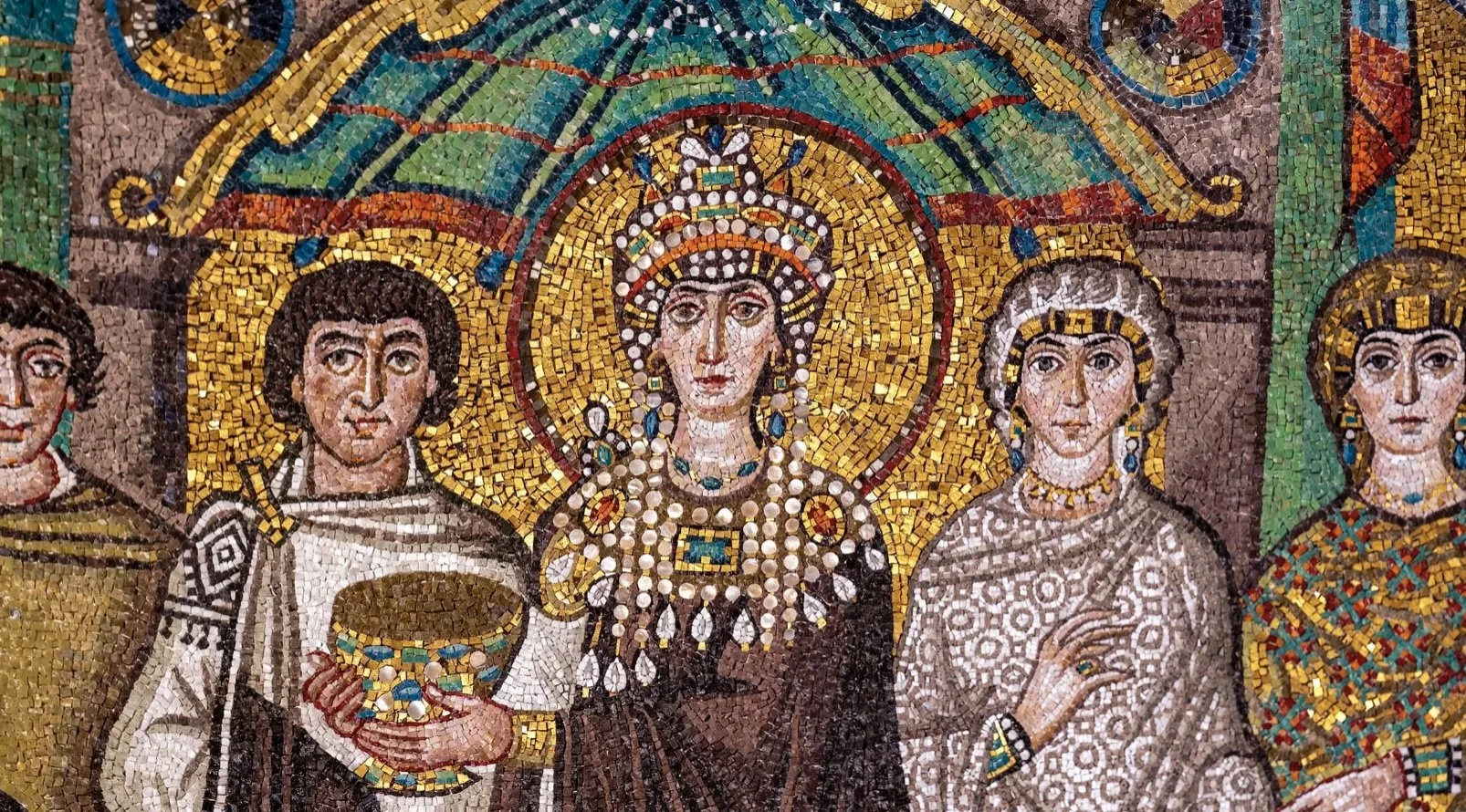
In late ancient/early medieval Europe, the Italian city of Ravenna was an important connection point between the Roman and Byzantine worlds, and it had prestigious relationships with the imperial courts. Ravenna became home to a group of important buildings—churches, baptisteries, and mausolea—and many of them are still standing, decorated with stunning mosaics. In this presentation, we will learn about the city’s rich artistic heritage, especially its surviving mosaics.
the ruined MONASTERies of Great Britain
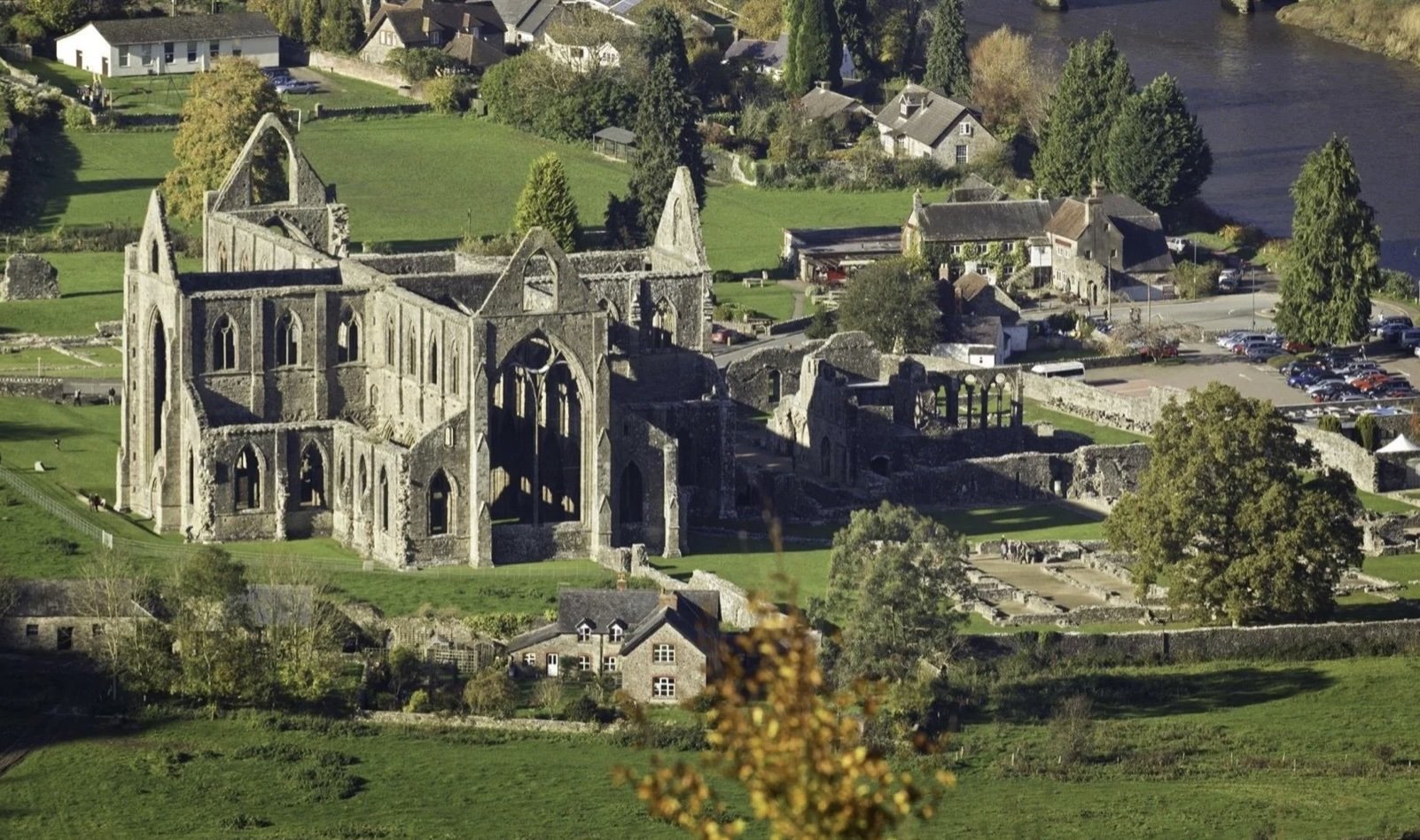
As royal politics became mixed with church politics, King Henry VIII asserted control over the religious institutions of England and Wales. Between 1536 and 1541, monasteries were closed, their property and wealth were seized, and their buildings were stripped of valuable materials before being left to disintegrate. Most of the buildings were centuries old at the time of the Dissolution, yet surprisingly, many of the ruins have endured, inspiring countless travelers, writers, and artists over the centuries. We will look at some of these interesting sites to learn more about their fascinating history.
Reformation Splendors: Cranach’s Wittenberg and Weimar altars

In this presentation, we’ll examine two famous sixteenth-century altarpieces by Lucas Cranach the Elder. Located in their original settings in Wittenberg and Weimar, these richly detailed paintings used the old tradition of decorated altars as a vehicle to show new ideas developed by Martin Luther during the Reformation.
The Royal Palace at Versailles: From Hunting Lodge to Olympic Venue
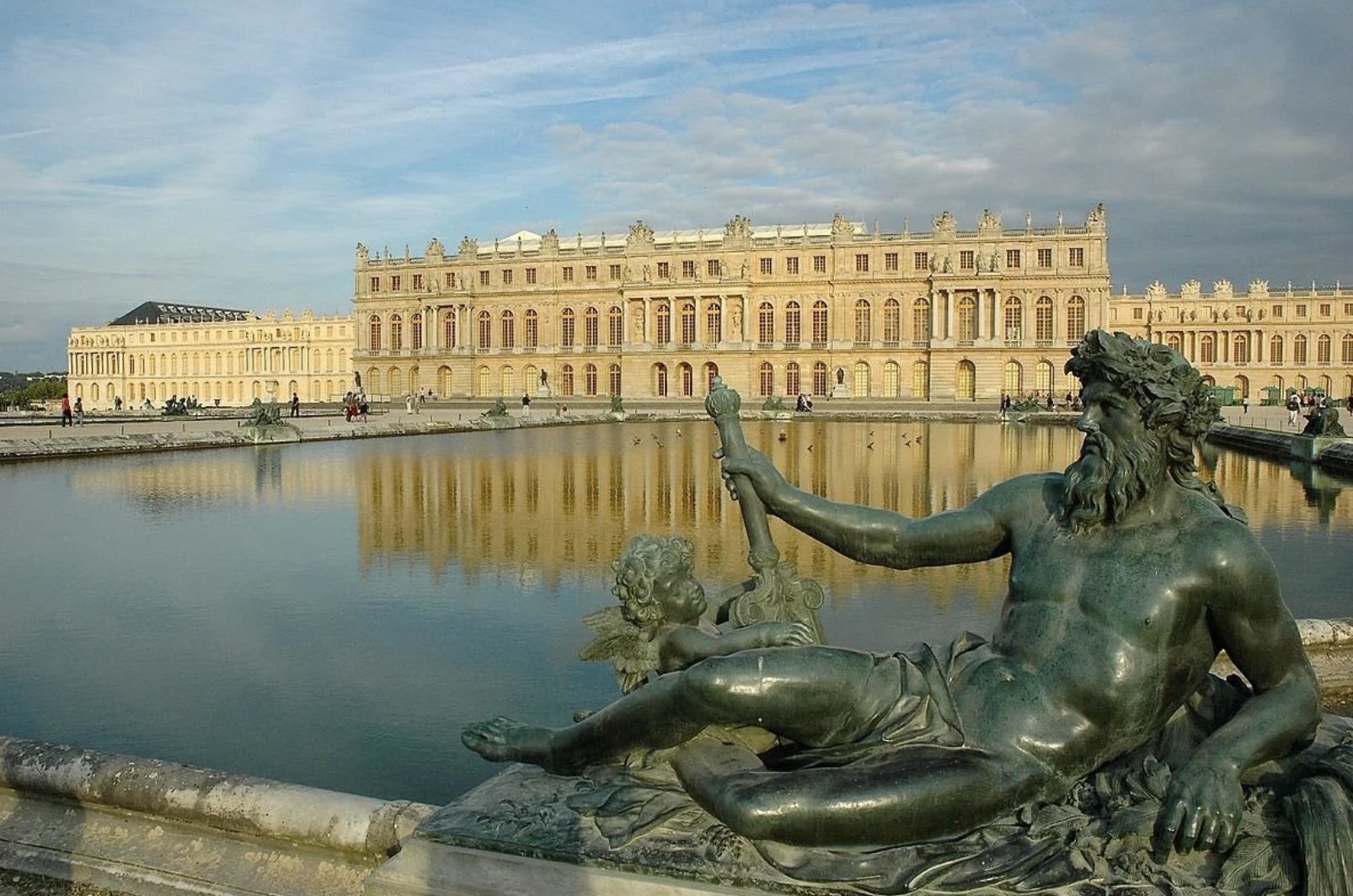
After visiting a stunning new palace built for one of his ministers, French king Louis XIV decided to transform a royal hunting lodge into what became the Royal Palace at Versailles. Known for its size and opulence--as well as its enormous grounds studded with sculpture, fountains, and other palaces--Versailles became the envy of rulers across Europe, many of whom were inspired to build their own versions of Louis’s spectacular palace. In this presentation, we’ll learn about the creation of Versailles, along with its gardens and surroundings, and we’ll visit some of its many imitators.